Showing posts with label tattoo education. Show all posts

Wednesday, February 7, 2024

Tattoos: A Right Of Passage

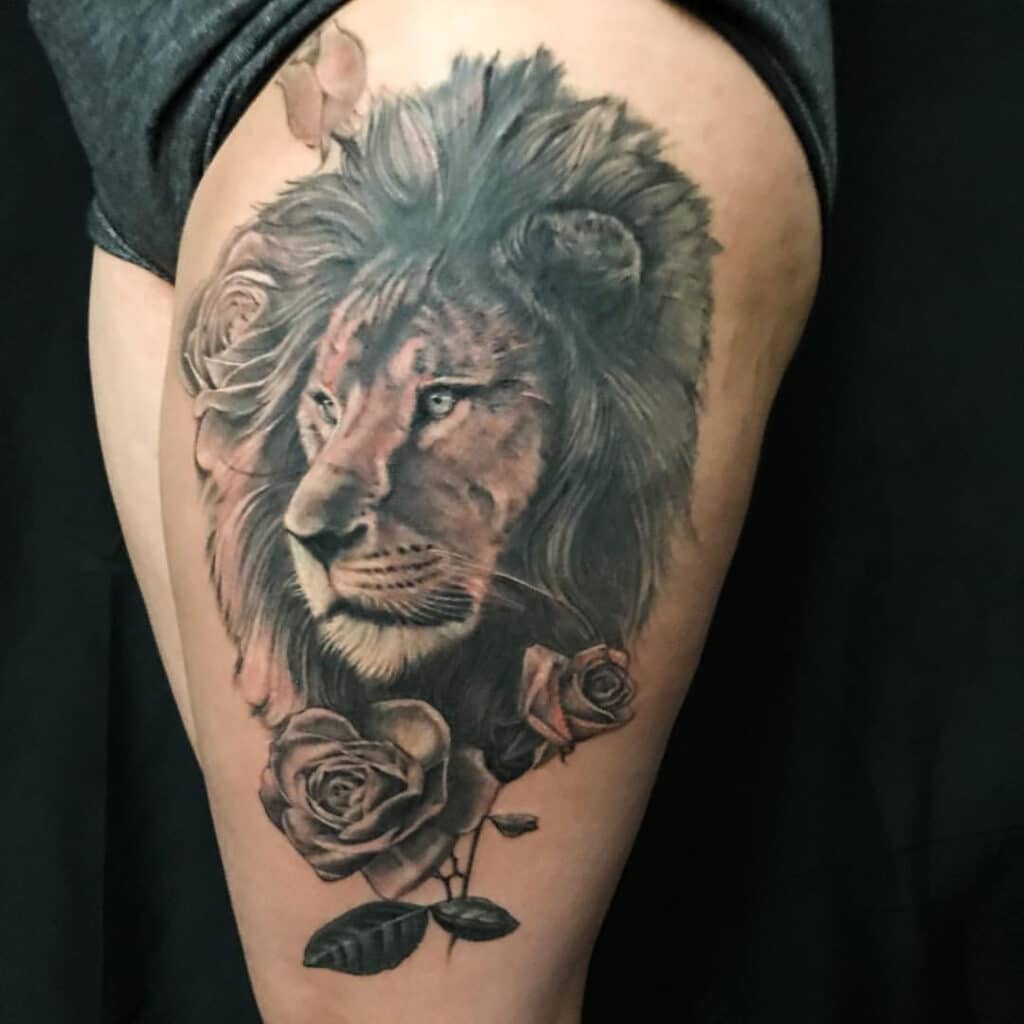
 One of Jareds lion tattoos

Lion Tattoo by Jared

TATTOOS HAVE BEEN A RIGHT OF PASSAGE FOR MANY YEARS

Many cultures in the world have used tattoos, body modification, and scarification as a means for a right of passage. Both males and females had their different rituals. There were multiple reasons for these to occur. Often, a right of passage was a coming of age, such as becoming a man or for a woman, being able to have children. Enduring the pain meant you were ready for your new role in your society.

Other former rights of passage, in all forms of body modification, was in regards to battle or a hunt. Being victorious in battle could earn you certain marks. The more you were successful, the more marks you got. It was to show your peers and enemies you were fierce and someone to respect. To bring down a dangerous or large animal also earned you different marks, showing your prowess as a hunter.

Some cultures that exist today still practice these forms of body modification, and can be found on nearly every continent. It's most commonly seen in African tribal cultures, but it's just as prevalent in many other parts of the world. Traditional rights of passage have been passed down from generation to generation for thousands of years.

In today's society, most of the advanced cultures don't generally view tattoos as a right of passage. This is particularly true if someone uses numbing agents or get put under anesthesia (yes, it happens) to get their tattoos. They are missing out on part of the experience, and they're looking for the payoff without the price. The pain involved with getting a tattoo is part of what makes it a right of passage. 

ARE YOU READY FOR YOUR NEXT TATTOO?

If you're ready to get your next tattoo done, schedule an appointment with an award-winning tattoo parlor. Here at Lucky Bamboo Tattoo, we have some of the best and most experienced tattoo artists in Utah and the Salt Lake City area. We can tattoo any style you'd like, and our artists can even design your next piece as well.

Come see why we have been voted "The Best Tattoo Studio In Utah" for several years in a row.

Lucky Bamboo Tattoo understands that tattoo collectors searching for the best tattoo shop in Utah comes with a big responsibility and we here at LBT are ready to fulfill your tattoo needs.

Wednesday, January 31, 2024

Tattoo Regulations In The USA 2024

 Regulations for tattoos in the US are lacking

THE USA IS UNFORTUNATELY LACKING IN REGULATIONS FOR TATTOOS

Many in the country view regulations as a negative. This may be true for some things, but when it comes to health and safety, they are kind of important. The tattoo industry has virtually no consumer protection in America. Fortunately, Lucky Bamboo Tattoo holds itself to a much higher standard than the industry norm. 

What's even stranger still, there are some elements in the tattooing world that push back against any sort of regulation presented. Why wouldn't they want the health and safety of their client put into consideration? It's almost suspicious. Are they trying to cut corners to increase their profit margins? Low quality materials are certainly cheaper, so that would make sense. Oddly, you'll even hear about so-called well known artists fighting against regulations of any kind. What are they afraid of?

Another thing that has many in the industry confused in the topic of permits vs having a license. A permit is just a permit. You fill out a form, pay the fee, and boom...you are a tattoo artist. No verification, no proof of education or skill, nothing. This is a massive disservice to clients. Any unqualified person can simply open a tattoo shop and start working. A license is different. You need proof of your skill and education as a tattoo artist before you can work. Most states do not require a license to become a tattoo artist. Watch our video by clicking the button to learn more about this.

Something else that seriously needs some regulations are materials, inks in particular. Literally anybody can make their own brand of ink and immediately put it on the market. There is nothing stopping them. Who knows the sanitary conditions, if any, were used in the creation and manufacturing of these inks? What's in them? Do they contain materials known to be unsafe? There is absolutely no way to know. There are tattoo artists out there that will actually buy these random inks to save money, and that puts their clients at risk.

Every artist at Lucky Bamboo Tattoo uses EU regulated inks, which are among the strictest in the world in regards to consumer safety and regulations. All the materials used in our studio are top of the line, from the machines, inks, needles, etc. The owner, who's also the head tattoo artist of the studio, does not allow the usage of cheap stuff. No exceptions. Any artist that works under the Lucky Bamboo Tattoo name must adhere to these standards.

This is part of the reason why cheap tattoos are cheap. Combine unskilled scratcher artists with low quality materials, and you get cheap poorly done tattoos. As said in the industry, "Cheap tattoos aren't good, and good tattoos aren't cheap."

All clients, and all serious tattoo artists should welcome regulations regarding licensing and the overseeing of the safety of materials. It's in the best interest for both parties, and people should accept these regulations with open arms. The health and safety of the client should be top priority for a tattoo artist.

Rest assured, regardless of how the United States chooses what or what not to regulate, Lucky Bamboo Tattoo always has and always will adhere to top of the line standards. Our artists will not compromise our clients over cost. As artists proud of their work, they want to make sure all of their clients are happy, and will be able to continue to enjoy their art for many years to come.

ARE YOU READY FOR YOUR NEXT TATTOO?

If you're ready to get your next tattoo done, schedule an appointment or a consult with an award-winning tattoo parlor. Here at Lucky Bamboo Tattoo, we have some of the best and most experienced tattoo artists in Utah and the Salt Lake City area. We can tattoo any style you'd like, and our artists can even design your next piece as well.

Come see why we have been voted "The Best Tattoo Studio In Utah" for several years in a row.

Lucky Bamboo Tattoo understands that tattoo collectors searching for the best tattoo shop in Utah comes with a big responsibility and we here at LBT are ready to fulfill your tattoo needs.

Wednesday, July 26, 2023

Dangers of Unregulated Tattooing

 Believe it or not, there are still 11 states in the USA that have really no regulations regarding tattoos. Some people out there are thinking "Good!", but is it really? What's really at stake of getting a tattoo without regulations? Your health, for one!

Unregulated inks can contain contaminants, metals, carcinogens just for starters. Literally anybody can manufacture tattoo ink and sell it on the US market without having to have it go through the FDA. Anybody. What if some guy mixes up a bunch of inks in his kitchen, which may or may not be clean, bottles it up and sells it on Amazon. Then, because it's cheap ink, your tattoo artist decides to cut some corners on cost and buys that same ink and then proceeds to inject it into your body. Does that sound good to you?

What about needles? Most studios/shops use single use needle cartridges which are in a sterile package. Once that package has been opened, it is no longer sterile. Many artists open up all the needle packages they feel they will need to finish a tattoo they will be working on. What do you suppose happens to the opened needles that don't end up getting used? Do they throw them out, or do they just put them aside for the next person? While sitting out, exposed, do you think it's possible very small specks may have possible cross-contaminated those needles that will be used later on? Most definitely.

That leads to the next part. If someone uses non-sterile, previously exposed needles, there is now a risk of various blood borne pathogens, such as Hepatitis and HIV. Poor conditions can also lead to infection and disease. If the artist doesn't keep his work area clean, and cleans up meticulously between clients, he or she is putting their clients at risk.

So, why are so many in the industry freaking out about the new proposed MoCRA (Modernization of Cosmetics Regulation Act of 2022)? The very simple answer...money. They an no longer cut corners to improve their profit margin. That's just too damn bad.

Fortunately, Lucky Bamboo Tattoo has, and always was, up to the standards of a regulated area. All artists use EU regulated inks. All artists throw out needles that are no longer sterile. All artists fully clean, and keep clean their working areas to ensure client safety. All artist maintain a current Blood borne pathogen and CPR/First Aid certification, and re-certify often.

Choose your studio or shop wisely. It's not worth going to a cheap shop just save a relatively small amount of money.

Wednesday, June 14, 2023

Tattoo Pointers for First-Timers


How to prepare for your tattoo? Here are a few pointers for first timers.

  • Eat before you come. You body will most likely kick in a bit of adrenaline at the very start of getting your tattoo, which will burn up some sugar in the blood stream. A quick drop in blood sugar could cause light-headedness. So, it's a good idea to have something in your stomach.
  • Bring a snack! If you are going to be sitting for a bit, having a snack nearby can be nice.
  • Bring something to drink! Mainly for refreshment, but it's also just good to stay hydrated. Your skin is healthier when your body is hydrated.
  • Charge your phone. If you are not a particularly chatty person and would rather browse the internet while getting your tattoo, have a fully charged phone to stay entertained.
  • KEEP THE KIDS AT HOME! Think of a tattoo studio like a bar. Kids not only distract you, but also the artists. 
  • Trust your artist! Your artist is a professional who's trained and practiced their craft for years and gone through an apprenticeship. Trust that they will create fantastic art for you. Allow them to be creative. I promise, they will do their best work if unfettered. Don't worry if you don't see the art they create until the day of the tattoo. It will look fantastic. Real artists take pride in their work, and they aren't going to make something subpar. They do their best when they are excited for the piece they are working on. They want to show off their creation, AND you will have something 100% unique. Allow the artist to be an artist!

Tuesday, October 5, 2021

Tattoo Sizing


       If you’re considering getting a tattoo, size matters. Have you heard different sizing terms but have no idea what they mean or how that will look? Understanding and differentiating between various tattoos sizes will help you better comprehend what you are getting. Tattoo size matters for the design of your body art. If you’re looking for an intricate and detailed piece, you most likely will not want to get it super small. Details will get lost, and the intricacy of the design will be muddled. If you are considering something like a portrait, getting at least a medium-size tattoo of 6 or more inches  will usually be recommended.  If you want a simple tattoo, small sizes are perfectly suitable. If you are looking for something on your ankle, knuckles, or wrists, for example, consider a simple object or lettering.

   Tattoos are measured in square inches. To determine your tattoo size, simply multiply the height of your tattoo with the width at the longest points. If you already have an area in mind, measure your body’s location that you want the tattoo. Map out a rectangle on your skin and measure how tall and wide it is. Now you know how large the design needs to be, and you can begin searching for designs that would look good at that size. Another good way to determine the size of a tattoo if you don't have a way to measure it is to use everyday object as a size comparison. 

     Using words like small, medium, large is very vague because not all people see those as the same size measurements as you may see them. Another term that many people use often is "palm sized". While your palm may be 4 inches, another person's could be 6 inches or more. Giving your artist/studio your height and weight doesn't help with determining how much surface area will be covered as every person's body is different and in that case they can't provide you with an accurate quote for time as well as pricing.  Deciding what size you want your tattoo will help you choose where on your body you want it, and vice versa. If you know that you want a tattoo across your entire chest, it’s pointless to look at small tattoo designs. Look for something large and detailed that can cover your surface area and look fantastic. 

    So, as you can see, choosing the correct size for your tattoo is just as important as the design itself. There are many factors to consider when deciding on the size, including placement, design, time, and cost. The best thing you can do before getting a tattoo is to measure it out on your body and then review with your tattoo artist to see what they think would be best. Although the decision is ultimately up to you, it is nice to have input from a professional. 

Tuesday, September 28, 2021

All Tattoos Fade


     All tattoos will change and fade over time, especially if you get these tattoos at a young age and have them for a large portion of your life. There are numerous reasons a tattoo may fade or become misshapen over the course of a lifetime.  Location of the tattoo, the color and the type of pigment, changes in weight, aging and sun exposure play a big role in the fading of a tattoo. 


      The sun is one of the main reasons tattoos fade over time. When you first get a tattoo, you should avoid being in the sun until it fully heals. Once the tattoo heals applying sunscreen will greatly decrease your chances of ink fading. Use a high SPF (that blocks UVA Rays) or a tattoo-specific sunscreen to protect your skin. UV rays from tanning beds are also harmful to tattoos and can cause damage to the skin. Tanning beds are more harmful than the sun because the UV is more intense and closer to your skin, causing more damage quickly. 

     The skin constantly changes due to all kinds of factors. One of the reasons tattoos fade is due to the changing of the skin. Your skin grows and changes to accommodate your body throughout life. If your body grows, due to gaining weight of some sort, your skin will change to accommodate that. If you have a tattoo on this area that changed, the tattoo will stretch with the skin. Weight gain due to unhealthy eating isn’t the only way a tattoo can be damaged by skin stretching. The stretching of skin can also occur if you have a significant increase in muscle mass in a particular area. For example, if you have a tattoo on your thigh and you start doing squats to grow your quads, the tattoo will stretch with the skin as your muscle grows. Although growth would have to be quite drastic to negatively affect a tattoo it can still happen.

      There are certain parts of the body that tend to fade quicker than others. Some body parts are more susceptible to fading, so are the tattoos on these body parts. Shoulders and ankles have tight skin, and the skin doesn't sag and become as loose over time, unlike the upper arm or abdomen. Tattoos on the palms and soles of the foot don't tend to last as long because the skin is thicker compared to other part of the body, and the tattoos tend not to go as deep.

Tuesday, September 21, 2021

Color Tattoos


     Tattoos have gone from being something associated with soldiers and sailors to becoming modern pieces of art. They now come in countless different styles, with limitless designs and a wide variety of colors. The type of color, shading and tones will vary depending on the tattoo design, tattoo artist and tattoo style. Color tattoos became more notable in the 17th century as tattooing in Japan became more comfortable. To this day, Japanese tattoos are filled with bright and bold colors. The popularity of tattoo colors is connected to the advances of tattoo ink.

    Choosing the color for your tattoo is an important part of the tattoo design process. Colors can change the whole effect of the inking, can help it come to life or to resemble the original image. Several tattoo styles gravitate towards bright color work. New school watercolor, old school, traditional, Japanese, and illustrative all heavily rely on colors to complete the work. When contemplating what colors you want in your tattoo, there are a few things you will need to consider. If you want a small tattoo, colors may visually blend and muddy into each other. Big pieces look better with color, as the shades will stand out and be clear to read. When choosing the best color for your tattoo, remember that your skin tone will impact how it looks on the skin and how long it will last. Colored tattoos will always look different once healed, so make sure you keep that in mind during the inking process.

    Vibrant and pastel colors like pink, yellow, light blue and green tend to fade faster. The shades commonly used in watercolors are short-lived as well. Despite being incredibly popular, this style of tattooing requires frequent touch-ups to keep the vibrancy and longevity of the colors. How good your color tattoo looks and for how long it will stay looking good will depend on the area you get tattooed. This is because some body parts are more susceptible to aging and weight relayed changes. Shoulders and ankles have tight skin that doesn’t become loose over time, this means your tattoo should keep its shape and color better for longer. Arms, thighs, and abdomen go through lots of changes as we age, affecting the way the tattoo looks. 

    Color tattoos are incredibly beautiful and have stemmed from an immensely vibrant history. They are used in a wide variety of different styles, from modern genres like biomechanical and new school tattoos, to traditional styles like Japanese and American traditional tattoos. Colored tattoos tend to fade quicker, especially light colored and watercolor pieces because of the technique that is utilized. White tattoos fade the quickest out of all tattoos, especially when exposed to the sun. These are some of the things to take into consideration as well as educating yourself on the longevity of color tattoos, and how the tattoo will look several years down the road. 

Tuesday, September 14, 2021

Tattoo Aftercare: What You Need To Know

  A tattoo is more than just a piece of art and a way to assert your personal style. Any time you open the skin, you leave yourself vulnerable to scarring and infection. Caring for your tattoo can prevent those complications and ensure that the tattoo heals properly. Both you and your tattoo artist play equal roles in this process. Along with going to a professional and reputable tattoo artist, you need to take care of your new tattoo at home. 
    Figuring out how to care for your tattoo can be tricky though. Aftercare starts as soon as your tattoo is done. The artist should apply a bandage to cover the area and help with healing. This covering prevents bacteria from getting into your skin and also protects the tattoo from rubbing onto your clothes and getting irritated.  Keep the dressing on for as long as your tattoo artist recommends as it helps to absorb any fluid or excess ink that leaks from the tattoo. After sufficient and recommended time (24 hours) has passed, you can remove the 1st bandage. Wash your hands with water and soap, then gently wash the tattoo with warm water and natural (chemical free) fragrance free soap. Pat your skin dry with a paper towel or a clean and soft cloth. Then you should apply the 2nd dressing on and wear it for 4 days. 
    While your tattoo heals, you should wear sun-protective clothing whenever you go outside or try to stay out of the sun as much as possible. Do call your tattoo shop if you experience any out of the norm complications or other problems and they can give you advice on what steps to take next. You should avoid scratching or picking at your tattoo no matter how bad the urge may be. Avoid wearing tight and restrictive clothing over the part of the body that has been tattooed to allow it to breathe and heal faster. Don't go swimming or immerse your fresh tattoo in body of water, especially hot tubs (showers are fine).
        Once your tattoo has healed, you move into maintenance mode. Though you don't have to specifically care for it after 3 to 4 months, there are things you can do to prevent ink from degrading. Wash your skin daily with a gentle and fragrance-free soap, drink plenty of water to keep your skin moisturized, wear sunscreen ( that blocks UVA Rays) so the sun won't fade your tattoo. Another thing is to avoid excess weight gain or loss as that could stretch out or distort the tattoo. 
    After getting a new tattoo, the outer layer of skin will typically appear healed within 2 to 3 weeks. However, the healing process can take upward of 6 months. Aftercare, which includes daily cleaning, ointment or moisturizer should continue for at least that long to reduce the risk of infection or other complications.

Tuesday, September 7, 2021

How To Tell A Good Tattoo From A Bad Tattoo


    For people outside of the tattoo industry, it may be difficult to tell if a tattoo is bad. Believe it or not, but many people out there don't know that their tattoo is poorly done. However, for those of you that want to ensure that you go to an artistically and technically qualified artist, below you will find some important aspects to look for in a tattoo. 

    A good tattoo should have fully saturated black, color and shading. When it heals, there shouldn't be gaps or shapes in the tattoo that indicate it wasn't filled in properly. The lines of a tattoo should be crisp, straight and consistent throughout the tattoo. Wonky lines are a huge indication of an inexperienced artist. How a tattoo heals is a huge indication of a good tattoo vs a bad tattoo. If a tattoo scars, blows out or straight up falls out of the skin, it's a bad tattoo. 

    It doesn't take an expert to tell if a tattoo is crooked, but many people outside of the industry may not recognize the rules surrounding placement. First off, if a tattoo is a face it should in general be facing in toward the body vs away. Second, text should appear upside down to the wearer. Third, you should never put a tiny tattoo in the middle of a large canvas. A tattoo needs a variety of tones in order for it to appear multidimensional and that its jumping off the skin. If the tattoo has bad contrast, it will appear flat and washed out. Faces and body parts can be very tricky, because one wrong move can ruin a perfectly good drawing. It takes years of practice to create a realistic portrait, so enlist the best of the best for this task.

    Details can take an average tattoo to an extraordinary tattoo very quickly. You want to feel like you can run your fingers over a tattoo and feel every single detail, whether it be the texture of the hair or the consistency of the eyes. You should be able to look at your tattoo and know exactly what it is or what it says. If you look at a tattoo and say to yourself, "what is that?" then its probably not a very good tattoo. 

Tuesday, May 4, 2021

Things Your Tattoo Artist Wishes You Knew


     What do tattoo artists really wish you knew the minute you walked through the shop doors? A lot of people go into their tattoo appointment not knowing what to expect. Here are a few things to keep in mind when deciding to proceed forward with getting a tattoo. By now, you already have a design and size in mind and are ready to proceed forward. One of the things that the artist wants you to know is that you shouldn't be afraid going bigger on your design. A lot of small tattoos look cute at first, but with the passage of time, they lose the details that make them special. Artists know how ink ages, what kinds of things will fade and distort, and how to keep tattoos looking fresh. Trust them. 

    Another thing to keep in mind is that artists' fees will vary from artist to artist. You may have heard the saying "good tattoos aren't cheap, and cheap tattoos aren't good". You will find shops and artists that charge for the piece while others will charge hourly rate.  Whatever way you choose to look at it, you will see that good tattoo artists will charge more than you were hoping for. 

    Sometimes, clients think that because the piece is small, they wouldn't be charged the same amount as for something bigger. This is true, but most shops still have to charge a shop minimum to cover supplies and time spent for each appointment. Set-up for each appointment is the same no matter the size of the design, health and safety guidelines need to be met, and there is set-up, prep, sterilization, and supplies that still get used. Be confident in valuing your artist's time and creativity, that is what they do for a living. 

    Tattoo artists are not mind readers so communicating exactly what you have in mind, is key. It's important to strike a balance between telling your artist what you want, and letting them do their job. You should always feel free to say that something is not to your liking or if you have any questions or concerns, but micromanaging the process is a sure-fire way to lose your artist's trust. Trust goes both ways, and remember they're creating art that you both will be proud of. 


Tuesday, April 27, 2021

Tattoos are permanent

  Tattoos are created by using special tools that use needles to insert permanent ink into the dermal layer of the skin. The ink changes the pigment of the skin where it is inserted, creating a work of art that stays on your skin for a long period of time. 

    The question many people ask is why don't tattoos fade or "heal" themselves over time? Tattoos are applied to the inner and not the outer layer of skin. A tattoo machine works by moving the needle up and down rapidly (around 50-150 times per second), piercing the outer layer of skin and injecting drops of the ink into the dermis with each puncture. The ink pigment particles are too large for the immune cells to destroy, so they get stuck in the dermis.  Over the course of a few weeks after getting tattooed, the skin slowly repairs itself and while there is some initial loss of the ink during the healing process, ultimately with proper care the bulk of the ink is trapped in the layer between epidermis and dermis. It will generally remain there for the rest of your life as long as no major damage to the dermis region of body happens. 

    All tattoos will fade over time. One thing to keep in mind is that there are several places on your body where tattoos are most likely to fade at a rapid pace. Several areas have a tough time holding ink due to the types of skin on the body and the mobility of the area. Elbows are notoriously hard to tattoo and getting the ink to stay can be tough in the first place. Hand tattoos see almost constant sun exposure so they will fade. Finger and side of fingers are almost guaranteed to fade or fall out as soon as they heal.